Steps vs Minutes of Exercise: Which Is a Better Goal?
Steps make everyday movement visible, while exercise minutes better reflect intentional moderate or vigorous activity. The best goal depends on what you do and what motivates you.


Steps make everyday movement visible, while exercise minutes better reflect intentional moderate or vigorous activity. The best goal depends on what you do and what motivates you.
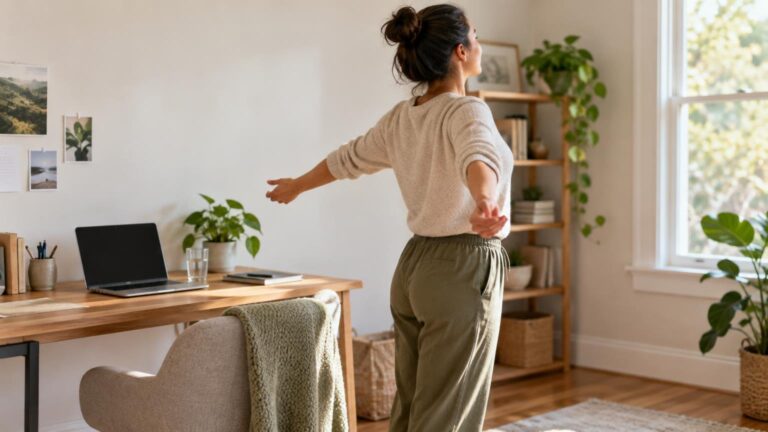
A flexible desk movement routine with short walking, standing and seated options that make posture changes easier during a long computer day.
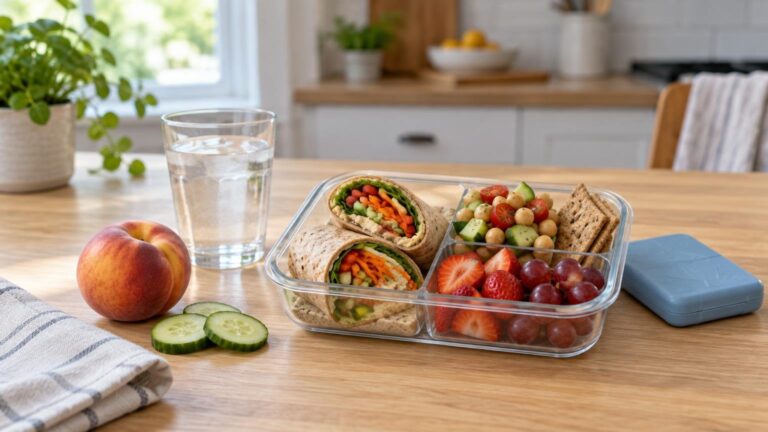
Use a simple mix-and-match formula to build filling no-cook lunches for work, school, travel, or hot days when turning on the stove sounds unbearable.
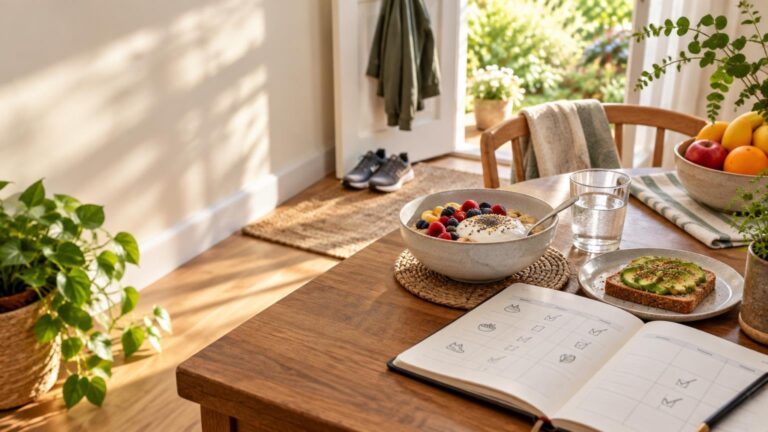
A practical guide to building flexible eating, movement, sleep, and planning habits that support gradual weight loss without demanding perfection.
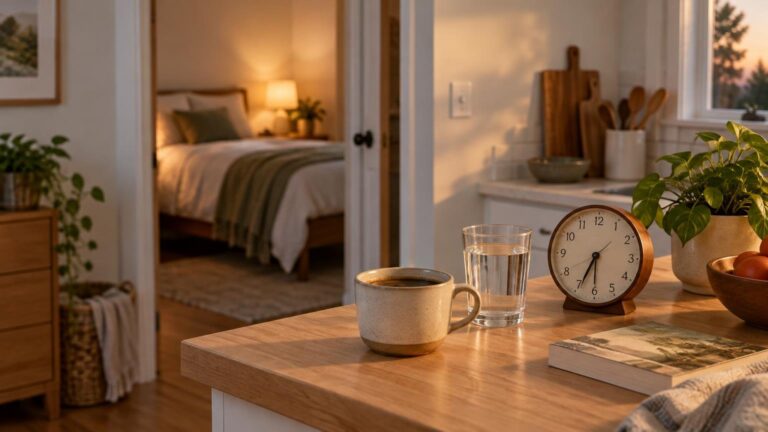
There is no universal last call for coffee. Use your planned bedtime, caffeine dose and repeated sleep patterns to find a cutoff that works for you.

Learn how to adjust walking pace, duration, and hills using the talk test and perceived effort, with practical schedules based on current activity guidance.

A practical guide to choosing what belongs in a habit tracker, matching each habit to the right measurement, and avoiding data that creates work without guiding action.

Build an active weekend without adding another practice or rigid plan. This flexible menu includes walks, bike rides, swimming, yard games, indoor outings, and everyday errands.
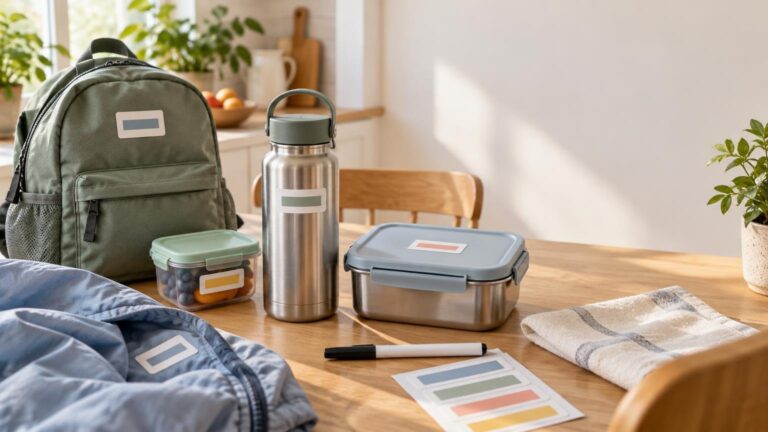
Learn which family items are worth labeling, where name stickers belong, and what to verify before expecting dishwasher or outdoor durability.
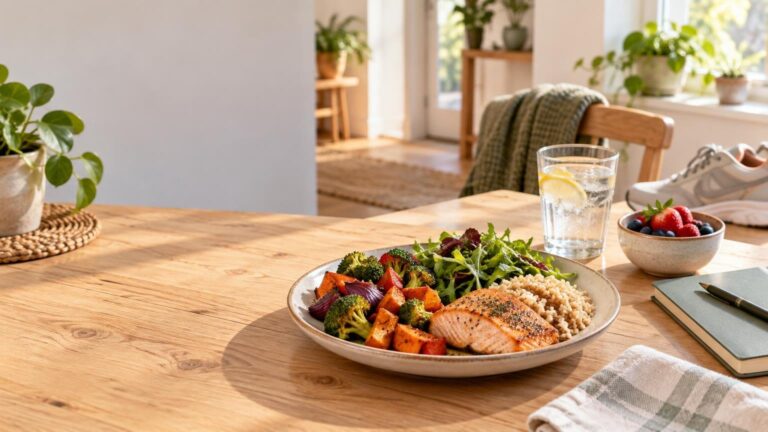
Energy balance is a long-term biological relationship, not a demand to count every calorie. Here is how intake, movement, appetite, and adaptation fit together.