
Why I Limit My Dairy Consumption
The short version: Why I Limit My Dairy Consumption comes down to how I feel after eating it. Large or frequent servings have coincided with stomach discomfort and skin changes for me, so dairy is now an occasional food rather than a daily staple. That is a personal choice, not a claim that everyone should stop eating dairy.
I first removed dairy from my routine for a few months after noticing that it did not seem to agree with me. Adjusting to life without my usual cheese, milk, and butter took time, but it eventually became normal. Now I may eat dairy at a restaurant or a friend’s house, but I generally do not keep it at the center of my everyday meals.
This moderate approach gives me room to enjoy a food I like without ignoring the patterns I have noticed. It also avoids an all-or-nothing rule: I can choose less dairy without assuming that every dairy product, serving size, or person will have the same experience.
Dairy does not always make me feel my best
My main reason for limiting dairy is simple: when I ate a lot of it, I often experienced an upset stomach and felt more tired. During my earlier dairy-free period, I noticed fewer stomachaches and saw the scale drop by about five pounds. I originally interpreted that change as losing bloat, but the experience alone cannot establish what caused the weight change or fatigue.
Digestive discomfort after dairy can have a plausible explanation. Lactose intolerance occurs when the body has difficulty digesting lactose, the sugar naturally present in milk. It can cause bloating, gas, abdominal pain, diarrhea, and nausea after lactose-containing foods. It is a digestive issue rather than an immune reaction. The National Institute of Diabetes and Digestive and Kidney Diseases overview of lactose intolerance offers a clear explanation of the symptoms and causes.
Still, feeling uncomfortable after a bowl of ice cream does not diagnose lactose intolerance. Digestive symptoms overlap with many other issues, and the amount eaten, fat content of the meal, other ingredients, and an unrelated gastrointestinal condition can all complicate the pattern. Clinical evaluation may involve a dietary history, a carefully managed elimination and reintroduction, or a hydrogen breath test when appropriate.
Limiting dairy does not have to mean eliminating it
One of the most useful lessons from this experience is that the choice is not necessarily between eating dairy every day and banning it forever. Many people with lactose intolerance can manage their symptoms by reducing the amount of lactose they consume rather than eliminating it completely. Lactose-free or reduced-lactose products and lactase products may also help.
That creates several practical options. Someone who feels uncomfortable after a large milkshake might tolerate a smaller serving, a lactose-free milk, or a lower-lactose food. The relevant pattern may also differ among milk, cheese, yogurt, cream sauces, and desserts. I prefer to keep my routine mostly lower in dairy, but another person may find that changing the type, portion, or frequency is enough.
A simple food-and-symptom log can make the pattern easier to discuss with a clinician. Note what you ate, approximately how much, when symptoms started, and whether the meal contained other possible triggers. Avoid expanding a short experiment into a long list of food restrictions without a clear reason, especially if doing so makes it difficult to eat enough or enjoy meals.
I pay attention to how my skin responds
I have also noticed pimples appearing after I return to eating more dairy. That repeated personal pattern matters to my choices, but it does not prove that milk causes my breakouts.
The broader evidence needs similar care. The American Academy of Dermatology says studies suggest an association between cow’s milk and more acne breakouts, while noting that more research is needed. Its consumer guidance also says the available evidence has not shown yogurt or cheese to increase breakouts.
For me, the practical response is observation rather than fear. I can limit the foods that seem to coincide with breakouts while remembering that acne has multiple possible influences. Someone dealing with persistent, painful, or scarring acne would be better served by speaking with a qualified clinician than by continually removing foods based on guesswork.
I do not consider dairy essential for my own routine
Dairy can be a convenient source of protein, calcium, vitamin D, potassium, and other nutrients. Those benefits are real, even though dairy is not the only way to obtain the nutrients. People who eat little or no dairy can use a combination of other foods and fortified products, but the replacements deserve some attention.
That is a more useful reason for my choice than arguing that cow’s milk is inherently unsuitable for adults. A food’s biological purpose does not, by itself, determine whether humans can consume it. Likewise, the supplied evidence does not support describing dairy as universally addictive, inflammatory, or unhealthy. My decision is about tolerance and preference, not a universal rule.
How I make lower-dairy choices work
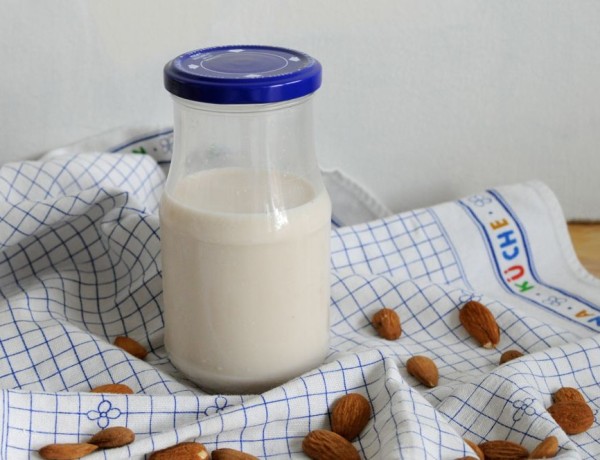
I like almond milk, but taste and nutritional equivalence are two different questions. Plant-based beverages vary substantially in protein, calcium, vitamin D, potassium, saturated fat, and added sugar. The FDA identifies fortified soy beverages as the plant-based option most nutritionally similar to dairy milk, while other products may have far less protein or different fortification. Comparing Nutrition Facts labels is more reliable than assuming every carton labeled “milk” plays the same role.
My lower-dairy framework is straightforward:
- Choose a fortified plant beverage and check its calcium, vitamin D, protein, potassium, and added sugar rather than selecting by front-label claims alone.
- Build protein into meals with foods such as beans, lentils, tofu, eggs, fish, poultry, nuts, seeds, or fortified soy beverages, depending on preference and dietary needs.
- Include varied calcium sources. Options can include calcium-fortified beverages, calcium-set tofu, canned fish eaten with the bones, kale, broccoli, and bok choy. Calcium content and absorption differ among foods, so variety helps.
- Use lactose-free dairy when I want the nutritional profile or flavor of dairy without as much concern about lactose.
- Plan convenient meals rather than waiting until hunger makes every decision harder. My approach to meal planning is useful when stocking lower-dairy breakfasts, snacks, and dinners.
- Keep a few enjoyable dairy-free foods in rotation, such as these vegan lemon poppy seed cookies, so eating less dairy does not feel like a punishment.
A realistic breakfast, for example, could be oatmeal made with a fortified soy beverage and topped with fruit and nuts. Lunch might be a grain bowl with tofu, beans, or canned salmon and vegetables. Dinner does not need a special dairy-free identity; it can simply be a familiar meal built around protein, vegetables, a satisfying starch, and a sauce that does not rely on cheese or cream.
Milk allergy is different from lactose intolerance
Lactose intolerance and milk allergy are not interchangeable terms. Lactose intolerance involves difficulty digesting lactose. A milk allergy involves the immune system and can cause a serious reaction. Hives, swelling, wheezing, or trouble breathing after consuming milk require urgent medical attention; trouble breathing or another severe reaction warrants emergency care.
This distinction also affects food choices. A lactose-free dairy product may help someone who has trouble digesting lactose, but it still contains milk proteins and is not an appropriate substitute for a person with a milk allergy.
Frequently asked questions
Is bloating after dairy normal?
Bloating, gas, abdominal discomfort, nausea, and diarrhea can occur with lactose intolerance, but these symptoms are not specific enough to identify the cause by themselves. Notice the portion, product, timing, and other foods in the meal. Discuss symptoms with a clinician if they persist, become severe, wake you at night, or occur with unexplained weight loss, blood in the stool, repeated vomiting, or other concerning changes.
Do I need to stop dairy completely if lactose bothers me?
Not necessarily. Many people can tolerate some lactose, and the workable amount varies. Smaller servings, lactose-free products, or a different type of dairy may be enough to reduce symptoms.
Is almond milk nutritionally equivalent to dairy milk?
Not automatically. Almond beverages can differ from dairy milk in protein and other nutrients, and fortification varies by product. Compare the labels. If you want a plant beverage with a profile closer to dairy milk, fortified soy is generally the closest option identified by the FDA.
Does milk cause acne?
Research suggests an association between cow’s milk and acne breakouts, but that does not establish that milk causes acne in every person. If you notice a consistent pattern, record it and consider discussing it with a dermatologist, particularly if the acne is painful or causing scars.
How can I tell whether dairy is actually the problem?
Start with a specific pattern rather than removing many foods at once. Track the product, serving size, timing, and symptoms. A clinician or registered dietitian can help plan a focused elimination and reintroduction or decide whether testing is appropriate.
My practical takeaway
Limiting dairy continues to work better for me than eating it every day or avoiding it under every circumstance. I pay attention to digestive comfort and skin changes, choose dairy selectively, and make sure the foods replacing it contribute useful nutrients.
If you are considering the same change, begin with one manageable step: compare the label on your usual milk and one alternative, or keep a short record of symptoms after different dairy products. The goal is not to follow my restriction. It is to find a flexible pattern that supports your comfort, nutrition, and everyday life.